
Mold Remediation
Mold remediation is the process of containing, removing and cleaning mold growth, then fixing the moisture problem that caused it.
See mold remediationGet a clear plan for moldy belongings in Aliso Viejo. The scope should cover moisture, inventory, salvage, cleaning, storage and return.
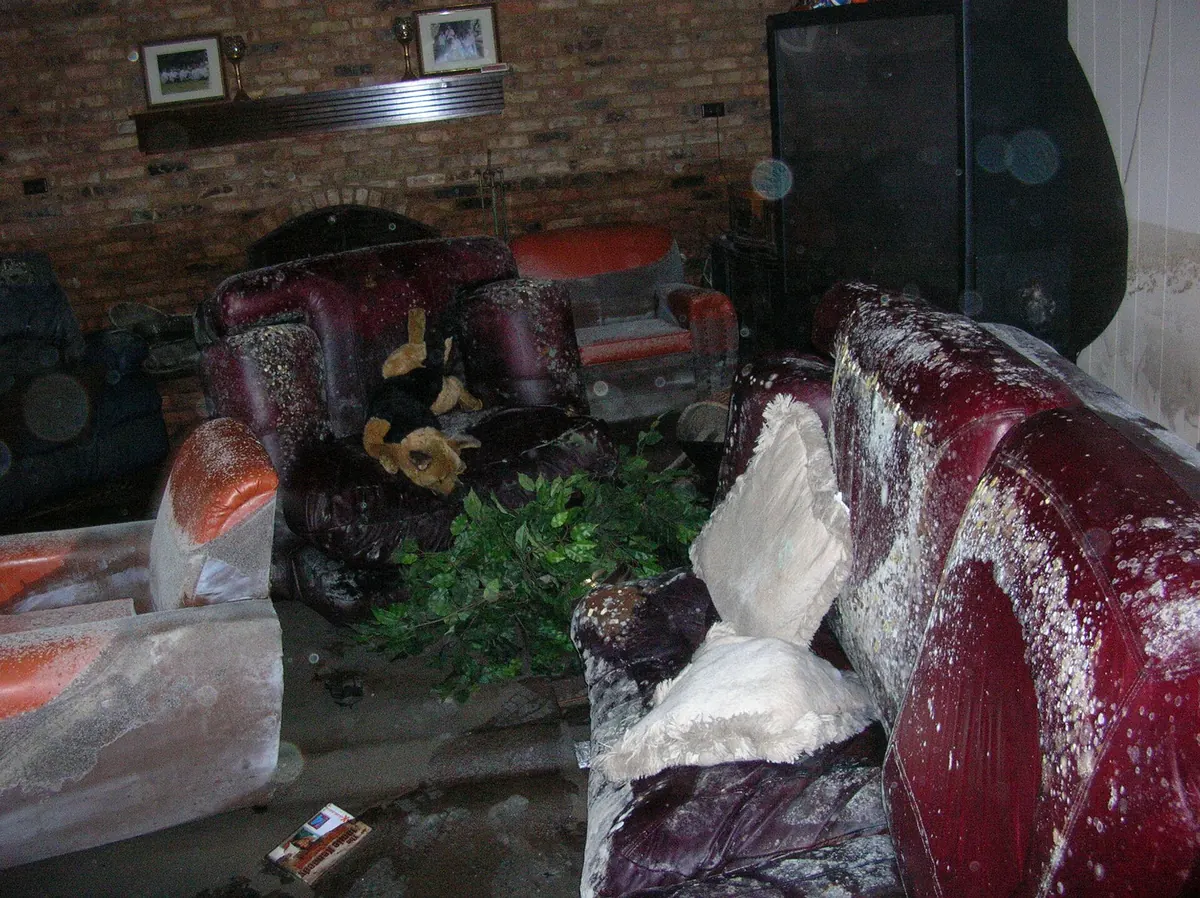
Contents cleaning means assessing mold-exposed belongings, then sorting, cleaning and drying them.
Before cleaning belongings, fix the source of moisture. High relative humidity, leaks and condensation may also affect adjacent building materials. Clean property should not go back into any room that remains damp.
Surface cleaning is often more workable on non-porous belongings. Porous materials, including mattresses, upholstery and books, may contain growth deeper inside. Items are documented through a controlled pack-out and moved away from the work area.
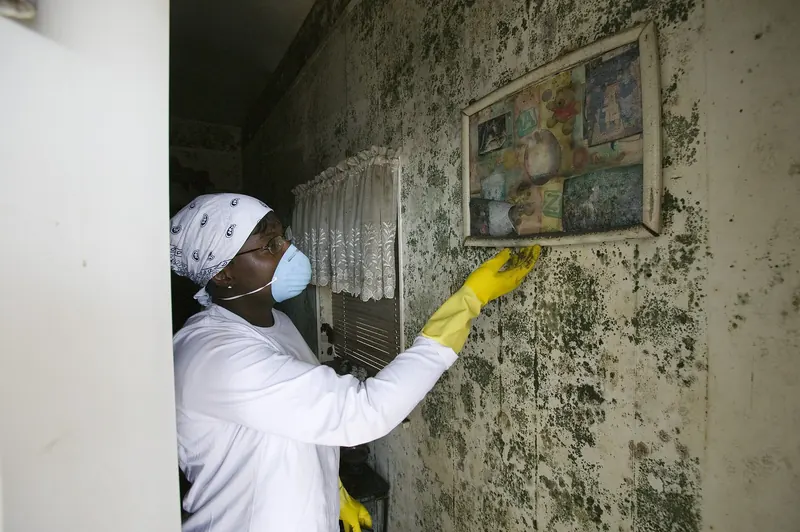
The item list should group belongings by cleaning, specialty treatment or disposal.
Ask how HEPA filtration and movement will work in an occupied building, including after-hours work.
For clearance testing, use an assessor independent of the removal work.
Find out how affected building materials and the source will be treated.
Belongings may need cleaning after contact with mold, odor or dust, and sometimes ahead of structural remediation.
Growth in several rooms can signal a wider moisture or ventilation problem.
During drywall removal and HEPA filtration, a pack-out with an inventory keeps clean goods separate.
Growth depth and garment care instructions help guide disposal, washing or dry cleaning.
Methods vary for fragile documents, storage boxes, washable fabrics and electronic devices.
Address the moisture, then reduce movement while items are sorted.
Call (844) 352-3560According to Fixr's Mold Remediation Cost guide, soft furnishings and contents cost $2 to $20 per pound to clean. The scope varies with your contents' quantity and type, their materials and any disposal needs.
These ranges come from published national cost guides, not from a site visit. Following an on-site assessment, the property price should be explained to you before any work begins.
Ask about cost: (844) 352-3560Your coverage is determined by both the policy and the source of moisture. A long-term leak may be treated differently than sudden water.
Ask which records are required and report the incident without delay.
California's Toxic Mold Protection Act includes a landlord written-disclosure section (Health and Safety Code 26147). By its own wording it applies only after the state adopts mold exposure standards, and the state health department has said it could not set them. Save documentation of remediation, discarded items and the inventory.
Under California's housing law, visible mold found by a health officer or code enforcement officer can make a rental substandard. Renters can contact their local health or code enforcement department to ask for an inspection. Payment may depend on your lease, the moisture source and the policy.
A slow leak and a pipe break may fall under different policy terms.
A written scope should cover inventory, methods, storage and return.
Find the source and identify affected materials. Mold cannot be identified through thermal images.
Record every item as discarded, cleaned or referred for specialty care.
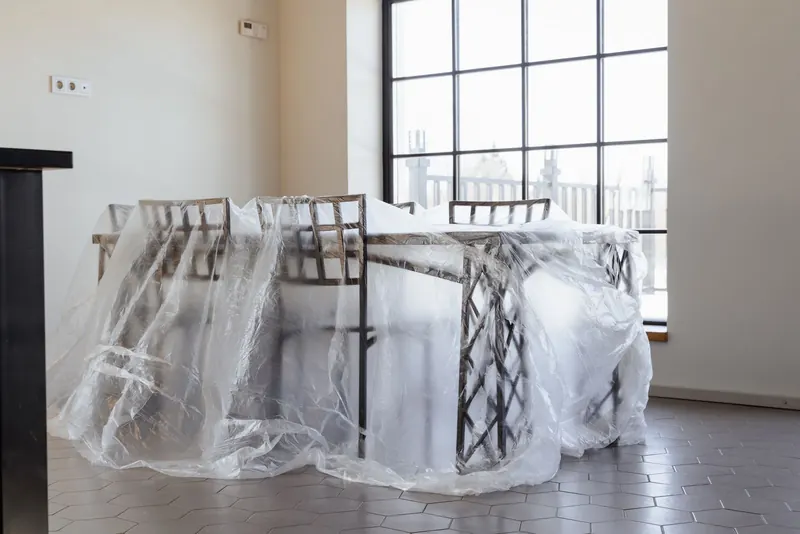
A defined travel route and poly sheeting help reduce the movement of dust.
A HEPA air scrubber or air filtration device can filter the controlled work area.
Clothing may be washed or dry cleaned. A HEPA vacuum and damp wiping may suit other materials.
Drying may be supported by a dehumidifier. Use air movers without distributing contaminated material.
An assessor independent of the removal work should conduct air sampling, post-remediation verification or clearance testing.

Phone at any hour. Talk with a moldy belongings and contents cleaning specialist about what you are seeing and the steps ahead.
Movement can spread particles, while moisture remains inside furniture.
Excess moisture or aggressive scrubbing can damage electronics, finishes and textiles.
Containment and negative air pressure help protect clean rooms.
For some people, mold can trigger allergy and asthma symptoms. People are more at risk when they have lung disease, asthma or weakened immune systems.
Can you clean it yourself? EPA says areas under about 10 square feet can often be cleaned by the homeowner. Professional help is appropriate for larger areas, contaminated water or HVAC involvement.
Cleaning is often more practical for hard surfaces than for porous materials affected deep inside.
California has no state license or certification for mold assessors or remediators, according to the California Department of Public Health. General construction work above a small dollar amount does need a license from the Contractors State License Board (CSLB), so it is worth checking a contractor's license there and asking about their mold training. Ask about permits for building removal.
Fix moisture and dry water-damaged areas and items within 24 to 48 hours.
There is no federal limit for indoor mold levels. Materials and moisture should shape your decisions.
The California Department of Public Health (CDPH) Air Quality Section publishes mold and dampness guidance and a mold FAQ. CDPH says visible mold, dampness, and mold odor are unhealthy and should be fixed, and that routine mold testing is not needed when mold is visible. Ask about rules for your property type and related building work.
The items and cleaning methods affect timing, as does waiting until the building is dry for their return.
The full moldy belongings and contents cleaning guide covers what is cleaned or removed, odor and air quality work, and the rules that apply in California and Orange County.
Read the full moldy belongings and contents cleaning guidePlanning for moisture control, containment and mold cleanup can be influenced by local humidity, housing and property access.
Renters occupy 43 percent of homes in Aliso Viejo, so both tenants and owners may need a clear written record of leaks, damp materials, and visible mold before removal begins.
At a median build year of 1995, a hidden plumbing leak still matters, but tight construction can also make lingering humidity harder to release.
With a 61 percent single-family share, local buildings vary, and the moisture path may run through an attic, foundation, neighboring unit, or common pipe.
At 28 percent living alone among seniors, a musty smell or new wall stain should prompt a search for the water source before surface cleaning.
Ask on the phone about mold cleanup for nearby ZIP codes and communities.
Mold remediation is the process of containing, removing and cleaning mold growth, then fixing the moisture problem that caused it.
See mold remediation
Removing surface and material growth, bagging items beyond saving and preparing the area for repairs are all part of mold cleanup.
See mold cleanup
From one affected room to several, residential mold removal covers houses and condos with work by a crew in your area.
See residential mold removal
Whole-house mold remediation covers mold in many rooms or areas of a home, with containment, removal, cleaning and a plan for repairs.
See Whole-House mold remediation
Mold damage restoration removes the mold and then repairs or replaces the drywall, insulation, flooring and other materials it damaged.
See mold damage restoration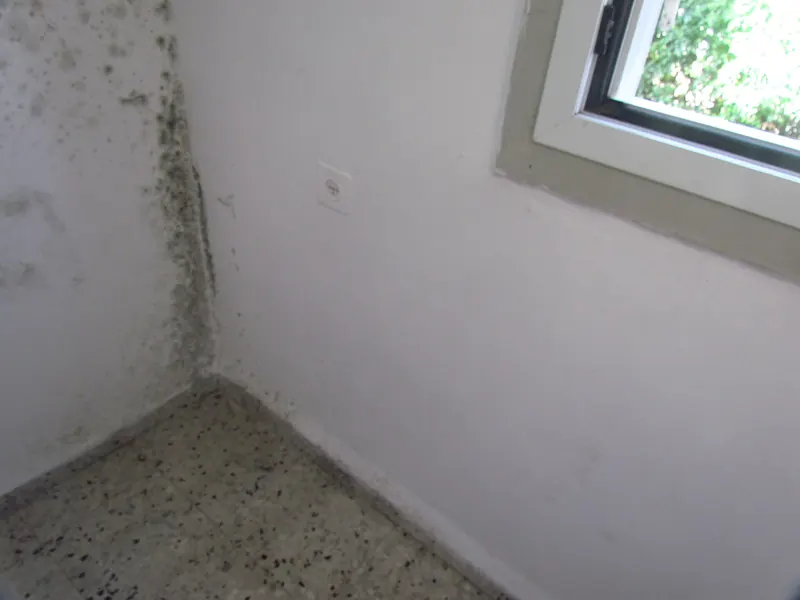
Mold odor removal means tracing a musty smell to its source and treating the affected spot against a return.
See mold odor removal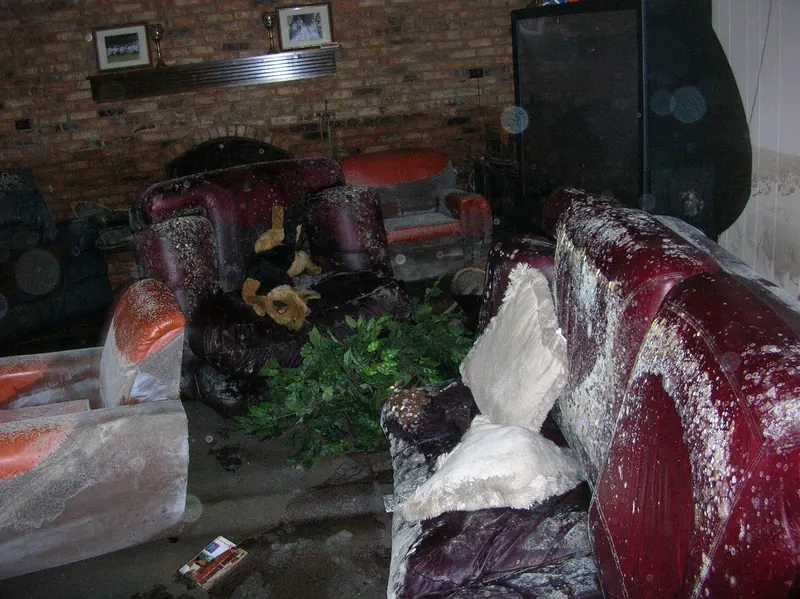
Water damage mold cleanup includes clearing growth caused by a flood or leak and drying the affected structure against a return.
See water damage mold cleanup
Rental property mold remediation clears growth from rented homes and units and records notes about the completed work for owners or managers.
See rental property mold remediationNo, not always. Dry cleaning may be needed for delicate textiles, while washable items with light surface growth may be laundered. Clothing with deep growth, damage or contaminated-water exposure may need disposal. Take photos and make an item list first if you might submit an insurance claim.
After stopping the moisture source, isolate affected clothing from laundry that is clean. Check and follow the garment's care label. Some garments can be dry cleaned or laundered. Fabric with deep growth, lasting odor, material damage or contaminated-water exposure may not be reasonable to save.
Cleaning contents and soft furnishings is listed by Fixr at $2 to $20 per pound. Your scope depends on the amount and type of contents, whether items are porous, the cleaning method, pack-out needs and disposal. Get an itemized inventory together with source-labeled pricing details.
Fix the moisture source, follow the garment care instructions and dry each item completely. Using fragrance merely covers up the musty smell. If the odor persists despite appropriate cleaning and drying, seek another salvage assessment because the fabric may still contain affected material.
Do not return cleaned property until structural removal, drying, the moisture repair and final cleaning are complete. Returning items too soon may expose them again to moisture or dust. When clearance testing is part of the scope, confirm dry storage and wait for results from the independent assessor.
Closet dampness can come from condensation, a leak close by, humidity or a cool exterior wall. Carefully inspect stored items along with the ceiling, walls and floor. Improve safe ventilation, leave enough space around clothing and keep indoor relative humidity below 60 percent.
Get calm, practical guidance about moldy belongings and contents cleaning, with calls answered 24 hours a day.